


Understanding the Power of Video in Sales Letters
In today’s digital landscape, the integration of video into sales letters has transcended from being an optional enhancement to becoming a fundamental element of effective marketing. The psychological impact of video content on audiences is profound, as it engages multiple senses, embedding messages more deeply than traditional text alone can accomplish. Studies have shown that viewers retain 95% of a message when they watch it in a video compared to just 10% when reading it in text format. This stark contrast highlights why incorporating video in sales letters is not merely advantageous but essential.
Moreover, video storytelling captivates audiences through emotional connections and relatable narratives. When potential customers engage visually with a product story, they not only comprehend the information more thoroughly but also feel a connection to the product. This emotional resonance can lead to higher conversion rates, as viewers are likely to remember the product and associate positive feelings with it. A compelling sales letter video not only communicates features but also illustrates benefits and real-life applications, making a stronger case for the purchase.
Statistics further reinforce the growing trend of video marketing. According to recent reports, by 2022, video marketing was projected to account for over 82% of all online consumer traffic, showcasing how indispensable video has become in conveying sales messages effectively. Furthermore, 70% of marketers agree that video has improved their conversion rates. As businesses strive to remain competitive, embracing video in sales strategies will ensure they meet the evolving expectations of consumers who increasingly favor dynamic, engaging content.
Elements of an Effective Sales Letter Video
Creating a persuasive sales letter video involves several crucial components that work in conjunction to drive viewer engagement and ultimately conversions. First and foremost, the importance of a strong hook cannot be overstated. This initial attention-grabbing segment is vital; it must resonate with the audience’s needs or problems. A compelling introduction might include an intriguing question or a bold statement that encourages viewers to continue watching and provides an immediate incentive to learn more about the product.
Next, the messaging throughout the video must be clear and concise. Viewers will likely lose interest if the content is convoluted or too lengthy. Each point should be expressed simply and directly, using language that the target audience understands. Establishing a well-structured narrative helps maintain coherence and aids in reinforcing the product’s benefits effectively, thus ensuring that the core message is communicated without overwhelming the audience.
Visuals also play a crucial role in engagement; they should enhance the narrative rather than distract from it. Compelling visuals—such as product demonstrations, infographics, or testimonials—can effectively illustrate the product’s advantages and aesthetically engage the audience. These visuals should align with the overall tone of the video, which should evoke the appropriate emotions that align with the product’s attributes.
Equally important is the call to action, which should be strategically placed toward the end of the video. It prompts viewers on what to do next, whether that is to purchase the product, visit a website, or sign up for a newsletter. Lastly, understanding the audience’s preferences and habits is essential in crafting the content. Tailoring the tone and message to suit their expectations ensures higher resonance and leads to increased engagement and conversion rates. By integrating these elements, creators can produce a sales letter video that truly captivates and converts.
Best Practices for Producing Sales Letter Videos
Creating high-quality sales letter videos requires careful consideration of various technical and creative elements. Firstly, lighting is paramount; natural light is often preferable, yet softbox lights can effectively eliminate harsh shadows. Properly lit subjects not only look more professional but also engage viewers more effectively. Experiment with different setups to find the optimal balance that highlights your product without creating distracting glares or shadows.
Sound quality is equally essential in video production. Using an external microphone instead of the built-in camera mic will significantly enhance audio clarity. Background noise can be detrimental, so ensure you record in a quiet environment to maintain focus on your message. Additionally, incorporating quality music can serve to evoke emotions, but it should not overshadow the primary content.
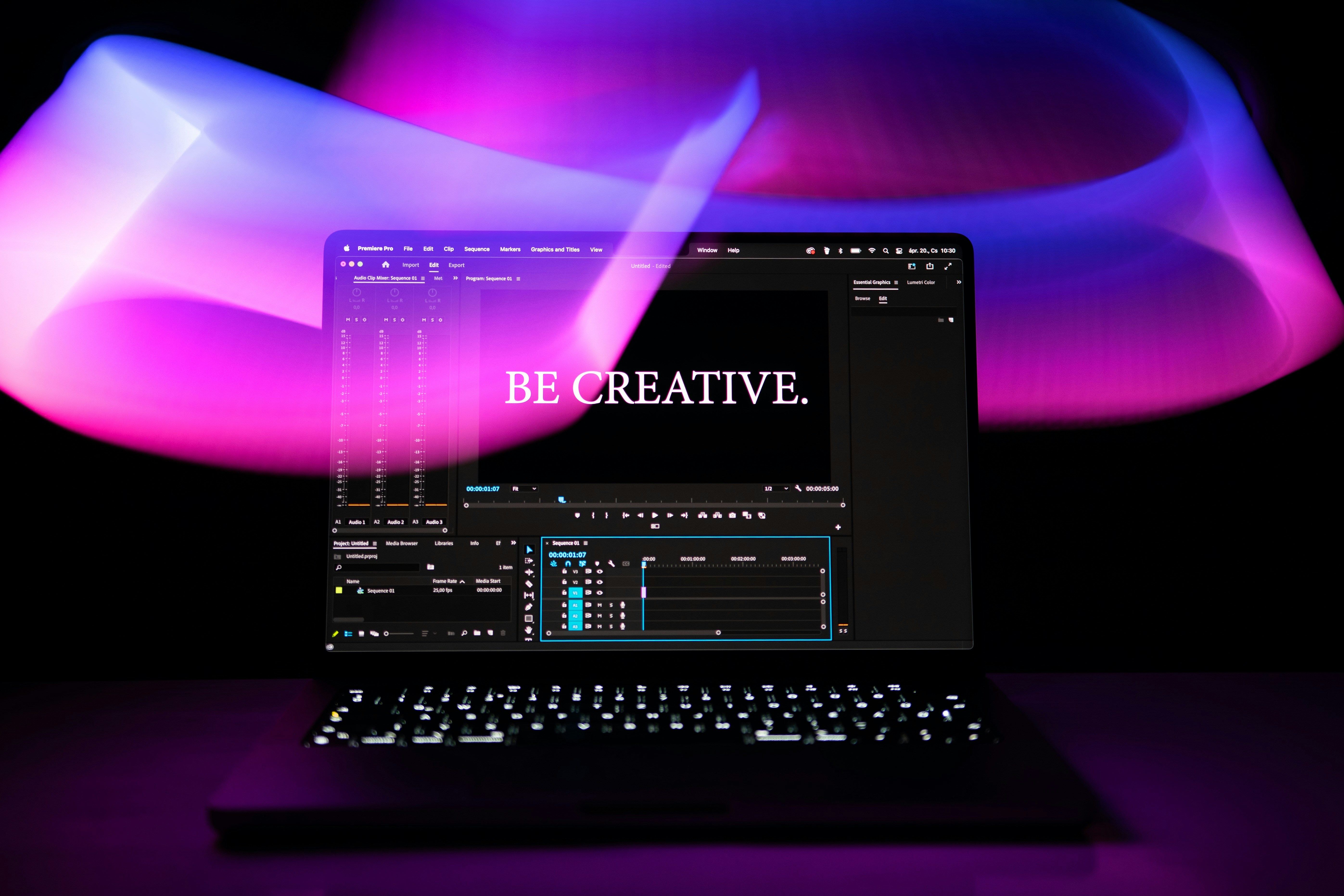
The editing process is where the magic happens. Utilizing simple editing software can streamline your workflow, allowing for cutting out unnecessary parts and adding smooth transitions to maintain viewer engagement. However, don’t overuse flashy effects; simplicity tends to resonate better with audiences. Including text overlays to emphasize key points or calls to action will help reinforce your message without overwhelming viewers.
When writing your script, it is vital to strike a balance between informational content and persuasive language. Begin with a compelling hook that captures attention within the first few seconds; this might involve posing a question or presenting a startling fact related to the viewer’s needs. Throughout the video, ensure that the narrative flows logically while continually addressing how the product offers solutions to the viewer’s problems.
Lastly, optimizing videos for various platforms is crucial for maximizing reach. Each platform—be it social media or dedicated sales websites—has unique specifications regarding length, format, and audience behavior. Tailoring your videos accordingly ensures they perform at their best, capturing the attention of potential customers whether viewed on a smartphone or desktop.
Analyzing and Improving Your Sales Letter Videos
Effectively measuring the success of your sales letter videos is crucial to refining your marketing strategy. Key metrics such as viewer engagement, conversion rates, and audience feedback provide valuable insights that can be leveraged to enhance the effectiveness of your videos. Viewer engagement can be assessed through metrics such as watch time, likes, shares, and comments. High engagement indicates that the content resonates with the audience, while low engagement may suggest the need for adjustments in presentation or messaging.
Conversion rates serve as another critical metric in determining the effectiveness of your sales letter videos. This metric reflects the percentage of viewers who take a desired action, such as making a purchase or signing up for a newsletter, after viewing the video. Analyzing the sales funnel can help identify where potential customers may lose interest and allow for strategies to improve retention and conversion.
Audience feedback offers qualitative insights that quantitative metrics may overlook. Collecting feedback through surveys or analyzing comments can uncover viewer perceptions, preferences, and suggestions. By understanding the audience’s reaction, marketers can identify which elements of the video were successful and which aspects may require reworking.
Establishing a feedback loop is essential for continuous improvement. Utilizing A/B testing on different video formats, lengths, and styles can provide direct comparisons on what works best for your audience. Each iteration of your sales letter videos should be informed by data-driven insights, enabling ongoing optimization that caters to changing viewer preferences and market trends. Through diligent analysis and incremental improvements, you can significantly enhance the impact of your sales letter videos on target audiences.