


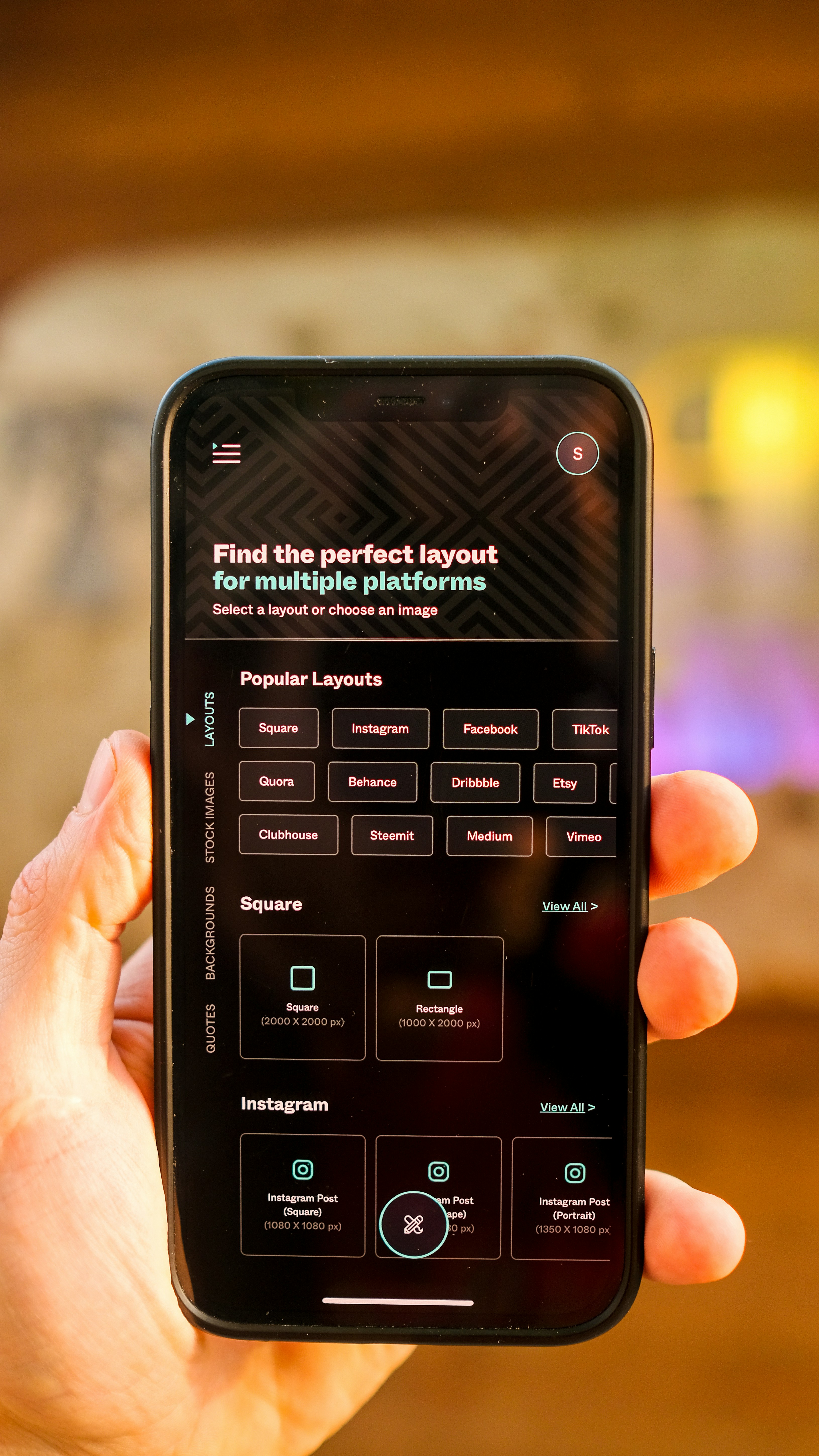
Understanding Multi-Platform Advertising
In today’s digital landscape, multi-platform advertising has emerged as a pivotal strategy for businesses aiming to broaden their market reach and enhance customer engagement. This approach involves deploying advertising campaigns across various platforms, including search engines like Google Ads, social media channels such as Facebook, Instagram, and Twitter, as well as other digital mediums. Each platform offers unique features, user demographics, and advertising formats that can significantly influence the effectiveness of marketing efforts.
The essence of multi-platform advertising lies in the ability to harness the distinct advantages of each platform to create a cohesive marketing strategy. For instance, while Google Ads excels in capturing user intent through targeted search queries, social media platforms facilitate engagement through visual content and community interaction. By integrating these channels, businesses can ensure that they are not only reaching potential customers but also engaging them in a meaningful manner.
Moreover, the importance of multi-platform advertising management extends beyond mere presence on different platforms. It calls for a meticulously crafted strategy that guides the allocation of resources and adjusts messages according to the nuances of each platform. This approach fosters a more personalized customer journey as ads are tailored to align with user behaviors and preferences specific to each platform.
Additionally, with the rise of analytics tools, businesses can monitor the performance of their multi-platform advertising campaigns in real-time. This data-driven insight enables marketers to identify which strategies are working effectively and where adjustments may be needed, ensuring optimal resource utilization. Therefore, understanding and implementing a multi-platform advertising strategy is essential for any business seeking success in a competitive digital environment.
The Benefits of Multi-Platform Advertising
In today’s competitive market, adopting a multi-platform advertising approach offers numerous advantages that can significantly enhance a business’s performance. One of the primary benefits of this strategy is increased brand visibility. By leveraging various platforms such as social media, search engines, and websites, businesses can ensure that their brand is seen by a diverse audience across multiple channels. This broad exposure is crucial for building brand recognition and establishing a strong market presence.
Moreover, a multi-platform advertising strategy allows for diversified audience reach. Different platforms attract varying demographics, interests, and behaviors. By utilizing multiple channels, businesses can connect with segmented audiences that may not be reached through a single platform. This targeted approach can lead to more meaningful engagements and fosters stronger connections with potential customers.
Another significant advantage is improved target segmentation. When businesses implement a multi-platform strategy, they have the opportunity to gather detailed analytics from each channel. These insights can inform targeted campaigns that cater to specific customer segments, leading to more effective advertising. Enhanced analytics capabilities help businesses identify which messages resonate with their audience, allowing for ongoing optimization of advertising efforts.
This combination of increased visibility, broader audience reach, and enhanced targeting not only improves the chances of reaching potential customers but also boosts conversion rates. Ultimately, with a well-executed multi-platform advertising strategy, businesses can experience higher returns on investment (ROI). By maximizing exposure and effectively targeting audiences, businesses position themselves for sustained growth and success in a rapidly evolving digital landscape.
Challenges in Multi-Platform Advertising Management
Managing advertising campaigns across multiple platforms presents a unique set of challenges that businesses must navigate to achieve their marketing goals effectively. One of the primary obstacles is budget allocation. Companies often struggle to determine how to distribute their budget across various channels while maximizing return on investment (ROI). Without a clear strategy, funds may be disproportionately allocated, leading to underperformance in certain areas and wasted resources in others.
Another significant challenge is maintaining brand consistency across different platforms. Each advertising medium—whether it be social media, search engines, or display networks—has its own unique characteristics and audience expectations. Businesses need to convey a cohesive brand message while also tailoring content to fit the nuances of each platform. This focus on branding consistency is crucial; failure to do so can result in mixed messages that confuse consumers and dilute the brand identity.
Furthermore, tracking performance metrics can be incredibly complex in a multi-platform environment. Each platform has its own analytics tools, which can make it difficult to gain a holistic view of campaign performance. Businesses may find themselves overwhelmed by the data and unable to extract actionable insights effectively. To overcome these challenges, a well-defined planning process is essential. Investing in integrated marketing solutions that can consolidate data from various sources will aid in monitoring performance across channels. Establishing clear objectives and using dedicated tools to track results can provide businesses with the insights needed for informed decision-making.
Overall, while challenges in multi-platform advertising management can be daunting, strategic execution and the right tools can significantly enhance campaign effectiveness and drive success.
Best Practices for Effective Multi-Platform Advertising
Managing multi-platform advertising campaigns requires a strategic approach that incorporates several best practices. First and foremost, audience research is vital. Understanding the demographics, preferences, and behaviors of your target audiences across different platforms will enable you to craft more effective campaigns. Tailored messaging that resonates with the specific audience on each platform increases engagement and drive results. For instance, a message that works well on Facebook may not yield similar success on LinkedIn; hence, it is critical to customize the content to fit the platform’s characteristics.
Additionally, adopting automation tools can significantly enhance the efficacy of your advertising strategy. Automation allows for more efficient management of ads, freeing up valuable time for advertisers to focus on more strategic tasks. It can also facilitate scheduled posting and real-time performance monitoring, ensuring that campaigns remain relevant and timely. Tools like programmatic advertising platforms or social media management applications can streamline operations across different channels, leading to enhanced performance.
Performance analysis is another essential aspect of managing multi-platform advertising effectively. Regularly evaluating the performance metrics provides critical insights into what is working and what isn’t. This ongoing analysis guides your campaign adjustments based on real-time data. Leveraging analytics to identify trends and patterns can help advertisers optimize campaigns continually. Tactics can be adapted based on metrics such as engagement rates, click-through rates, and conversion rates. By being responsive to analytics, advertisers can make informed decisions that boost overall campaign effectiveness.
In conclusion, applying these best practices—thorough audience research, customized messaging, utilization of automation tools, and regular performance analysis—undoubtedly empowers advertisers to achieve better results in multi-platform advertising efforts.