


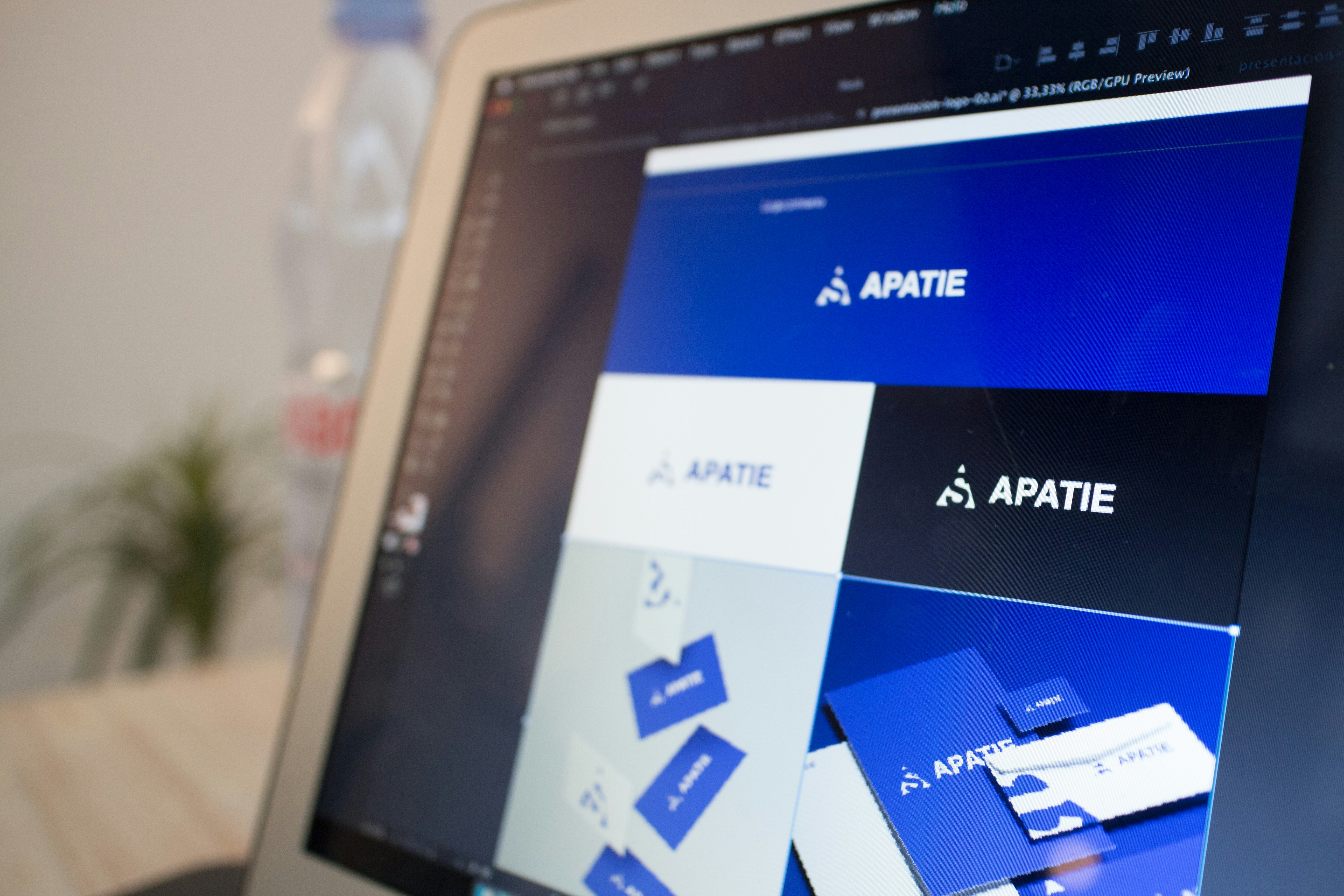
Understanding the Importance of Creative Print Design
Creative print design plays a pivotal role in shaping the perceptions of brands and businesses, serving as a tangible representation of their identity and values. Effective print materials, including brochures, flyers, business cards, and packaging, are essential tools in crafting a brand’s narrative. They provide not only information but also evoke emotions and a deeper connection with the audience through visual storytelling.
The impact of successful print design extends beyond mere aesthetics; it influences customer perception significantly. For instance, a well-designed business card can convey professionalism and reliability, while a creatively crafted brochure can captivate potential customers and invite them to explore more. When designed thoughtfully, print materials can communicate complex ideas succinctly, effectively engaging the audience’s interest and encouraging positive action.
The choice of colors, typography, and imagery is crucial in conveying a brand’s message. Each element of print design serves a purpose, with specific colors evoking particular feelings and associations that resonate with the target audience. For example, warm colors like red and orange can create a sense of urgency, while blues and greens may evoke calmness and trust. Such psychological considerations are essential in the decision-making process when selecting the elements of print materials.
Moreover, cohesive branding across various print formats strengthens brand identity, ensuring consistency in messaging and visual representation. This uniformity across touchpoints reinforces brand recognition and can lead to increased customer loyalty. Ultimately, creative print design is an indispensable component of an effective marketing strategy, one that can elevate a brand’s visibility and communicate its unique story in a visually compelling manner.
Elements of Effective Print Design
Effective print design hinges on several key elements that work together to create visually appealing and functional pieces. Among these elements, color theory plays a quintessential role. The choice of colors can evoke emotions, establish brand identity, and influence the reader’s perception. A well-thought-out color palette not only enhances the aesthetics but also ensures visual coherence across different print materials.
Typography is another foundational component. The typeface chosen can significantly impact readability and convey the desired tone of a print piece. For instance, serif fonts may suggest a traditional or formal vibe, while sans-serif tends to project modernity and cleanliness. Appropriate font combinations can create hierarchy and guide the viewer’s eye, making it easier to digest information.
Layout is crucial in ensuring an effective flow of content. A well-structured layout facilitates easy navigation through the document and highlights key information. Designers often use grid systems to maintain consistency and balance, allowing for a harmonious arrangement of text, images, and other elements.
Imagery is equally important in print design. High-quality images can captivate an audience and reinforce the message being communicated. Whether utilizing photographs, illustrations, or graphic designs, the imagery should align with the overall theme and purpose of the piece, enhancing rather than distracting from the message.
Finally, white space, or negative space, is a valuable design element that should not be overlooked. It provides breathing room and can make a design feel less cluttered, allowing essential elements to stand out. Adequate use of white space can significantly improve the overall readability and effectiveness of print materials.
To illustrate these concepts in action, successful print designs from various industries can be examined. They often exemplify the harmonious interplay of color, typography, layout, imagery, and white space, showcasing how these elements collectively elevate a brand’s message and appeal.
How to Develop a Unique Print Design Strategy
Creating a unique print design strategy is essential for businesses seeking to strengthen their brand identity and engage effectively with their target audience. The first step in this process is identifying the brand’s personality. This involves understanding the core values, mission, and vision of the brand, which can be translated into visual elements like color schemes, typography, and imagery. To illustrate, a luxury brand may opt for a sophisticated color palette and elegant fonts, whereas a playful, youthful brand might choose vibrant colors and more casual typography.
Next, it is crucial to understand the target demographic. Conducting thorough market research helps in identifying the preferences, behaviors, and interests of the audience. This knowledge ensures that the print designs resonate with the intended audience and fulfill their expectations. For example, if the target demographic is eco-conscious consumers, incorporating sustainable print materials into the design process will not only reflect the brand’s values but also enhance the appeal of the final product.
Another important aspect is the selection of right print materials. Choosing the appropriate paper stock, finishes, and printing techniques can significantly impact the final look and feel of print materials. For instance, using premium recycled paper can convey a message of sustainability, while glossy finishes may elevate a product’s perceived value. It is also essential to establish clear design goals. This includes determining what the brand aims to achieve through print communications, whether it be increasing awareness, driving sales, or enhancing customer loyalty.
Finally, reviewing successful case studies can provide valuable insights and inspiration. Analyzing how similar businesses have effectively implemented unique print design strategies can guide brands in refining their own approach. By applying these steps, companies can develop a cohesive print design strategy that not only elevates their brand but also effectively communicates with their audience.
The Future of Print Design in a Digital Age
The evolving landscape of print design is undeniably influenced by the rapid advancements in digital marketing. Despite the prevalence of online platforms, print design continues to play a vital role in crafting cohesive brand identities and enhancing marketing strategies. As we navigate through this digital age, it becomes essential to recognize how print can complement digital efforts rather than being seen as an obsolete medium. Print materials, such as brochures, business cards, and posters, offer tangible experiences that can leave a lasting impression on consumers, creating a wealth of opportunities for brands to engage their audience.
Recent trends indicate a resurgence of interest in physical marketing collateral. With increased screen fatigue and the growing desire for sensory experiences, many consumers are gravitating towards materials that they can hold and interact with. This shift opens avenues for imaginative print designs that capture attention and communicate messages more effectively. Brands can leverage this opportunity by integrating innovative print solutions with their digital campaigns, utilizing QR codes or augmented reality elements to bridge the gap between physical and digital experiences.
Emerging print technologies also present new possibilities for creativity and customization. Techniques such as digital printing, on-demand printing, and eco-friendly processes allow brands to pursue design strategies that align with their values and target audiences. Furthermore, with the advancements in printing technology, personalization has become more accessible, enabling businesses to cater to individual preferences and create tailored marketing materials that resonate with diverse consumer segments.
However, challenges remain as brands strive to balance the benefits of print design with the urgency and cost-effectiveness of digital alternatives. The key lies in understanding the synergies between these two realms and finding the right mix that enhances overall marketing strategies. As print design continues to adapt and innovate, it will remain an indispensable part of the multifaceted marketing landscape, facilitating connection and engagement with target audiences.